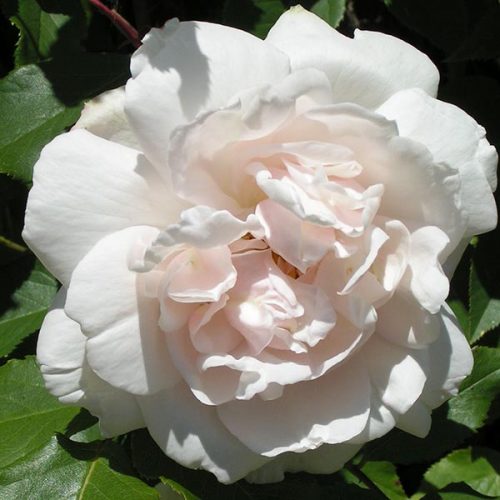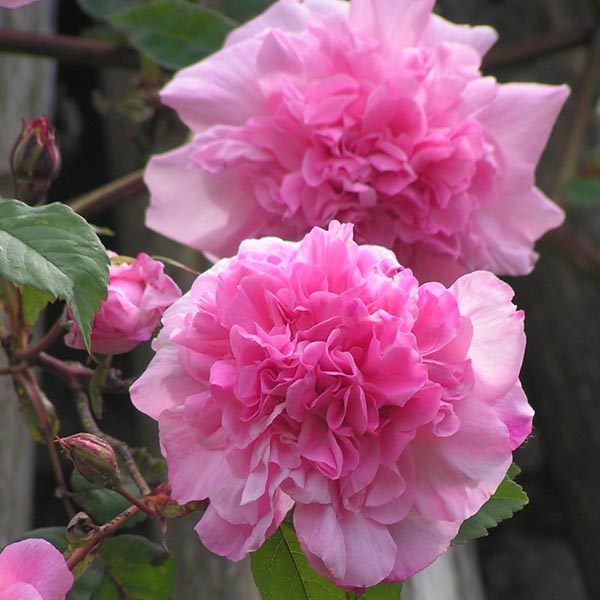
A boursault climber. Beautiful large saucer-shaped blooms of deep pink in a rosette formation. Good scent. Thornless red stems. Early summer flowering. Size: 3m x 2.4m. (Mme Sancy de Parabere)
Madame Sancy de Parabère
From £18.95
About Mme. Sancy de Parabère rose:
| Rose Group | Climbing Rose |
| Breeder | Bonnet |
| Date of Introduction | 1874 |
| Colour | Deep Pink |
| Flower Form | Double |
| Height | Medium Climber |
| Flowering Period | Spring Flowering |
| Fragrance | Light |
| Disease Resistance | Good |
| Hardiness Zone | 4 |
Good Autumn Foliage, Suitable for Walls/Fences, Suitable for Arches/Pergolas, Few or No Thorns
More about Climbing roses:
Climbing roses are distinct from most ramblers, in that they tend to have larger blooms, the ability to repeat flower (though worth noting Mme. Sancy de Parabère is a spring flowering Climber) and have stouter growth. Their use in the garden for adding height is unsurpassed coming in a variety of colours and sizes. The stronger growing varieties are often seen covering walls, fences, arches and pergolas, whilst shorter varieties can be trained around poles and tripods to form ‘pillars’.
All climbers require support and it is essential they are well tied to their structures. They are best trained horizontally at first to prevent any legginess and encourage a spreading habit.
Pruning Guide: As a spring flowering Climber, this rose will flower on old wood so it’s important not to over-prune. Once fully established, lightly prune after flowering. Tie in any new long growths in a horizontal fashion during September.
Read our blog on how to prepare the ground for your bareroot Mme. Sancy de Parabère rose. Or for more on how to prune and care for climbing roses, visit the RHS website.
And don’t forget, we also stock a variety of excellent rose care products to ensure you get the best from your roses. Browse our rose care products here.
We are completely sold out of potted stock of this rose for 2026. The next buying opportunity is bareroot for autumn/winter delivery.