

Characteristics
| Colour Category | |
|---|---|
| Flower Form | |
| Size | |
| Special Feature | |
| Flowering Period | |
| Situation | |
| Disease Resistance | |
| Hardiness Rating | |
| Period Introduced | |
| Fragrance Rating | |
| Bloom Size |
Popular searches
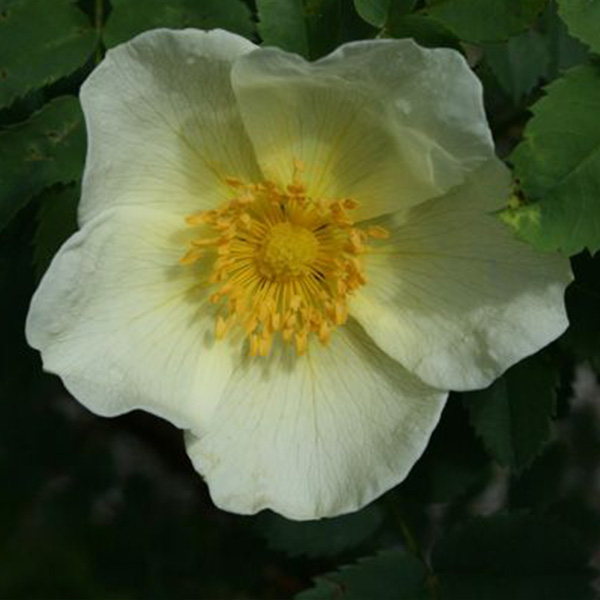
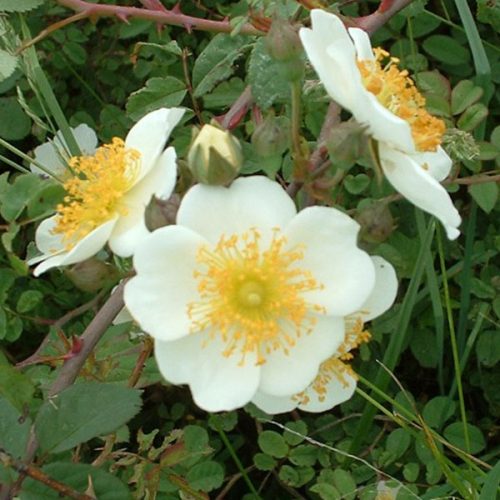
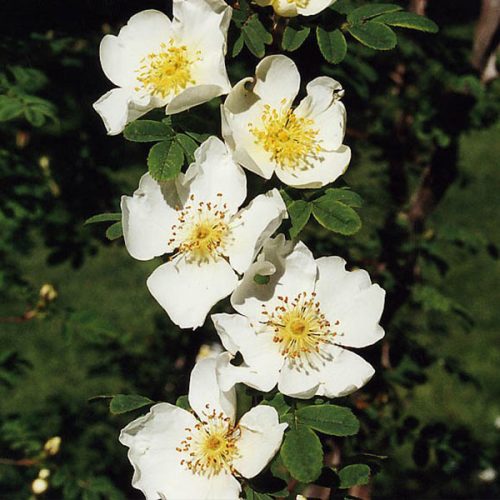
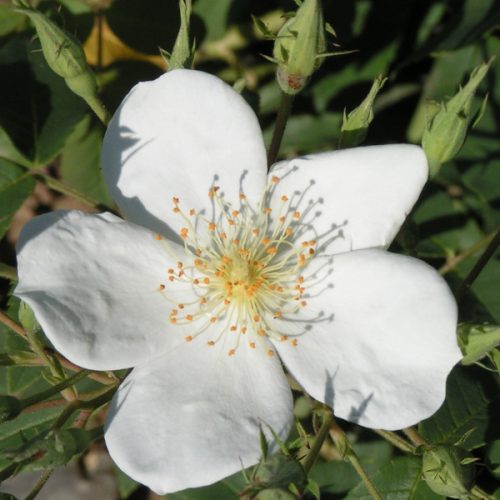
A.k.a.The Incense Rose. Smothered with small single primrose yellow blooms in May. The glossy ferny foliage exudes a strong scent of incense, especially when damp. Size: 1.5m x 1.2m.
Out of stock
Notify me when product is back in stock
| Colour Category | |
|---|---|
| Flower Form | |
| Size | |
| Special Feature | |
| Flowering Period | |
| Situation | |
| Disease Resistance | |
| Hardiness Rating | |
| Period Introduced | |
| Fragrance Rating | |
| Bloom Size |
Planting
Bare Root Roses: Untie any string and soak in a bucket of water for several hours. Dig a hole large enough to accommodate the roots without cramping (prune lightly if necessary). Mix a handful of bonemeal/ rose fertilizer with the excavated soil. Spread out the roots in the hole and gradually replace the soil, firming well, so the union (where the roots meet the shoots) is 3-4cm below soil level. Water well.
Container Roses: Plant out from June to February (do not remove from container during the spring). Ensure compost is moist and the rose is well rooted in the pot before planting. Prepare a hole 45cm deep x 45cm wide, adding well-rotted organic matter and a handful of bonemeal/ rose fertilizer to the soil. Remove the pot and tease out outer roots. Place root ball in hole and replace soil, firming well so the union is just below soil level. Water generously.
Planting in a pot: For compact shrubs only – avoid planting vigorous shrubs and climbers in pots. Use a tall container, at least 45cm deep. Pot-up with a soil-based compost (eg. John Innes No.3) and mix in a handful of bonemeal/ rose fertilizer. Ensure the union is just below soil level, and the pot has plenty of compost. Water generously. Roses in pots require special attention to feeding and watering.
Pruning
Flowers on old wood and requires little pruning until well established. Once established, one or two of the very oldest stems can be removed annually (after flowering).
For further information see our Planting and Pruning Guide page.